Removal Company in Dulwich

Our removal company in Dulwich provides home and business moving support that is planned around the property, the load and the route. We handle local and longer-distance removals with careful packing, safe lifting and practical vehicle loading, so your move is organised from the first item to the final placement. If you want a service that is straightforward to discuss and easy to tailor, start by telling us what needs moving and where it needs to go.
The core of the service is simple: we move furniture, boxes and household contents with attention to access, protection and timing. That can include stairs, shared entrances, narrow hallways, awkward items and mixed loads that need a sensible order of work. We also support customers who need packing and boxes before moving day, which can make it easier to prepare fragile belongings and reduce last-minute pressure.
To request a quotation, send the main details of the move and ask for a booking option that suits your schedule. A clear inventory helps us match the vehicle size, labour and loading time to the work involved. If you are comparing options, a plain request for a quote is often the quickest way to see what is included and how the move can be arranged.
Home removals planned around the property
Home removals are rarely just about transport. They usually require a careful sequence: protect the route out of the property, wrap larger pieces where needed, carry items without damaging walls or floors, and load the vehicle in a sensible order so the offloading is efficient at the destination. That approach matters whether you are moving from a flat, a house or a smaller home with limited access. We work with the practical side of the job, keeping the process focused on the items that need moving and the conditions of the property.
For many customers, the main decision is how much help they want at each stage. Some people need a team for lifting and transport only, while others want support with wrapping, disassembly or unloading into specific rooms. If the move involves furniture that needs to come apart and go back together, furniture removals can provide a more suitable fit than a basic van hire arrangement. It is also useful when heavier pieces need to be handled in a way that avoids unnecessary strain or rushed loading.
Good preparation makes a move easier, but it does not need to be complicated. A room-by-room list, note of any bulky items and clear access instructions are usually enough to begin. If you prefer one simple point of contact, our removal services page outlines the broader service range that can be combined into a practical moving plan. For a quotation, include dates, the collection and delivery areas, and any special handling requirements.
Flat removals, stairs and access-aware loading
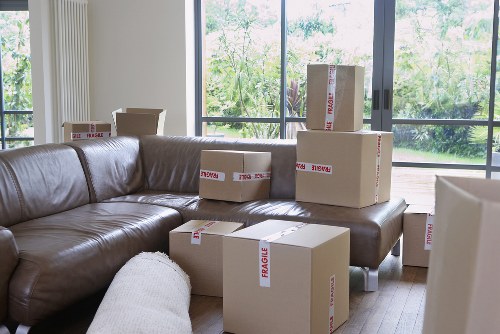
Flat removals need a slightly different approach from larger house moves because access can be tighter and parking or loading space may be limited. Stairs, lifts, shared corridors and shorter loading windows all affect how the day is organised. In practice, that means planning the order of items, protecting doorways and considering the best way to move furniture without obstructing neighbours or common areas. A measured approach helps the work stay efficient and controlled.
If you are moving from a smaller property, the service can be scaled to match the load rather than treated as a standard full-house move. That is useful for one-bedroom flats, studio apartments and mixed loads where furniture, bags, suitcases and boxed belongings all need to be carried together. For customers with lighter loads or a simple collection and delivery, man and van support can be a practical option when used within the limits of the items and access involved.
When booking a flat move, the key details are often the floor level, whether there is a lift, what parking is available nearby and whether any item is too large for a narrow staircase or landing. Those points help shape the number of people needed and the time required on site. If you need a quote, list the larger items first, then add boxes and anything delicate so the estimate reflects the real work involved.
Furniture removals and larger household items
Some moves are shaped by the furniture rather than the number of boxes. Wardrobes, beds, tables, sofas and storage units often need protection, dismantling or careful turning through doorways before they can be loaded. Furniture removal work is most effective when the route through the property is assessed in advance and the pieces are handled in the right order. That helps reduce damage and keeps the move from becoming hurried or awkward.
We also deal with individual heavy items that do not belong in a standard parcel-style arrangement. A piano, for example, needs a different method from ordinary domestic furniture because of its weight, balance and the need for steady handling. Where relevant, piano removals give that item the focused attention it needs rather than treating it as an add-on. If your move includes both musical instruments and normal household items, the work can be planned as one coordinated load.
Before the move, it helps to decide which pieces should be dismantled, which should stay intact and which may need extra wrapping. That decision is often based on the layout of the property and the route to the vehicle. A well-built moving plan is not about adding complexity; it is about reducing avoidable delays. If you want the service arranged for a particular item set, ask for a quotation that lists the furniture individually and notes any access complications.
Office removals and commercial relocation support

Business moves are usually judged by how neatly the work is organised and how clearly responsibilities are set out. Office removals can involve desks, chairs, filing, small equipment, boxed records and other items that need to be moved without confusion. The main task is to keep the load orderly and the sequence efficient so the relocation stays manageable from start to finish. A business move also benefits from a clear plan for collection and delivery points, especially when the property has shared access or restricted loading space.
Our commercial moving support can be adapted for smaller offices as well as larger premises where several work areas are being cleared at once. If you need a more tailored arrangement for a workplace, office removals provide a service built around desks, equipment and office contents rather than domestic furniture alone. For businesses planning a wider change of premises, office relocation services are a useful option when the move needs to be managed as a coordinated project.
Useful details for a business quotation are usually simple: the size of the premises, whether lifts are available, the type of items being moved and the preferred timescale. If some items must stay in place while others are cleared, that can be noted in advance so the moving sequence is arranged properly. For a smoother quotation process, send a plain list of rooms or departments, then ask what can be moved within the available schedule.
About Dulwich
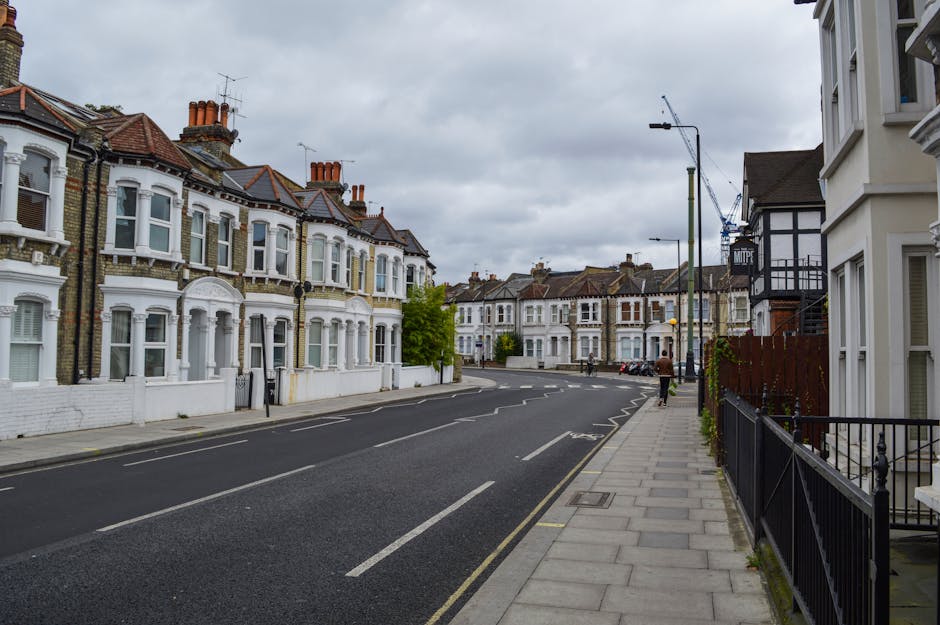
Dulwich is a district in south London best known for its village character, green spaces and long-established educational and cultural institutions. Historically part of Surrey, it became part of the County of London in 1889 and now lies within the London Borough of Southwark, with some areas also touching Lambeth. The name Dulwich is commonly associated with a cluster of neighbourhoods rather than a single compact centre, and its identity is shaped by a mix of residential streets, local shops and open land. One of its most familiar landmarks is Dulwich Picture Gallery, founded in 1811 and recognised as the first purpose-built public art gallery in England. The gallery’s classical building gives the area a strong architectural focal point, while Dulwich Park provides broad public open space with mature trees, lakeside paths and recreational facilities. Nearby, Sydenham Hill Wood preserves ancient woodland and a sense of the landscape that once covered larger parts of the area. The district also includes Dulwich College, an institution with centuries of history, and a number of conservation areas that help maintain the character of streets lined with period housing. Rail stations at West Dulwich, North Dulwich and East Dulwich connect the area to other parts of London, while the local road pattern reflects the mix of older estate land, village streets and later suburban development. These features give Dulwich a distinctive setting within inner south London: leafy in places, historic in outlook and still closely linked to the city around it.
When a move includes items that benefit from protection or special handling, our insurance and safety information explains the precautions that shape careful loading and transport. This is especially relevant for fragile furniture, awkward stair access or mixed loads that need attention to stacking and restraint during transit. Clear communication before moving day helps the work begin with the right equipment and a sensible plan.
If you would like to compare service choices or ask for a quotation, a short message with the main details is enough to start. You can also review pricing and quotes if you want to understand how different move sizes and service combinations are usually assessed. For a simple next step, tell us what you are moving and when you hope to go.
Packing, unpacking and preparation

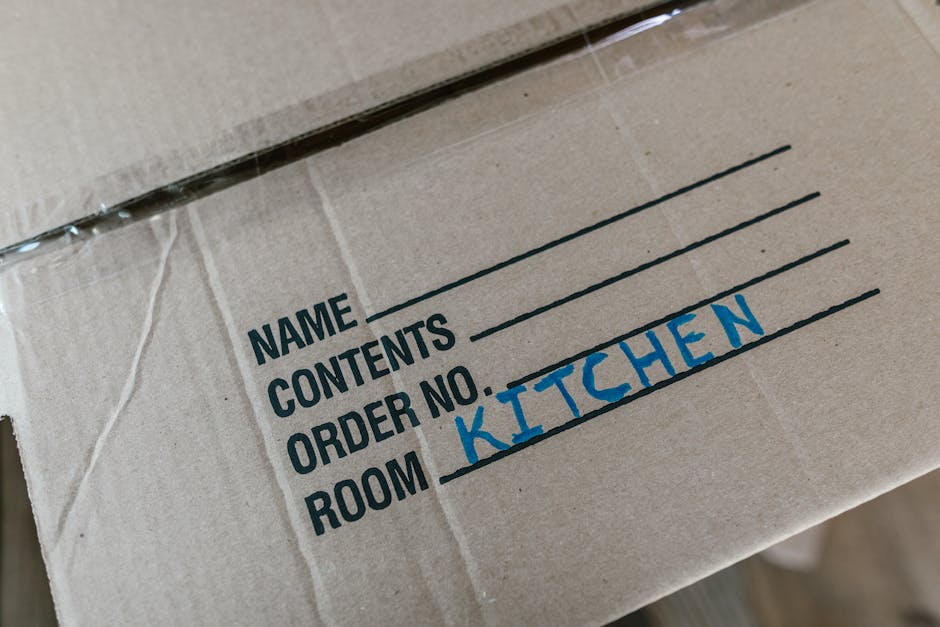
Packing can make a removal day more controlled, especially when rooms contain a mixture of breakables, soft furnishings and everyday belongings. The aim is not to overcomplicate the process; it is to group items sensibly, protect fragile pieces and make loading faster once the team arrives. When boxes are sealed clearly and labelled by room, unloading becomes easier and the contents are less likely to be misplaced among larger furniture.
If you would rather not handle all packing yourself, packing and unpacking services can be used to support the move at either end. That can be helpful for customers who need a hand with delicate items, kitchen contents or awkwardly shaped belongings that do not fit neatly into standard boxes. It also reduces the amount of last-minute organisation needed on the moving day itself.
Two practical preparations usually make the biggest difference: first, set aside the items you need to keep with you; second, leave enough access for larger pieces to leave each room without obstruction. For a quotation, it is useful to mention whether packing support is needed, whether boxes are already prepared and whether the move includes any items requiring additional wrapping or dismantling. Clear details lead to a more accurate estimate.
Storage, timing and staged moves
Not every move goes directly from one property to another. Sometimes there is a gap between completion dates, refurbishment work to get through or a need to clear one location before the next is ready. In those situations, storage can be part of a practical moving plan. It allows the removal work to be divided into stages rather than forcing everything into a single day when the timing is not quite right.
Our storage page covers the option for holding items when they cannot be delivered immediately. This can be useful for furniture, boxes and mixed household contents that need to wait safely before the final delivery. If you are unsure whether storage is necessary, think about the overall timeline first: collection date, handover date and any access restrictions at either property.
Staged moves can also be helpful where a business or household wants certain items moved first and the rest collected later. In that case, the work can be arranged in a way that keeps essential belongings available while the remainder is dealt with separately. When asking for a quote, explain whether storage is temporary, whether the final delivery is already known and whether the move needs to happen in phases. That detail allows the service to be shaped properly.
Collections, single items and smaller removal jobs

Not every customer needs a full house or office move. Sometimes the job is a single item, a furniture collection or a modest load that still needs the right vehicle and careful lifting. These smaller jobs can be very straightforward when the route, access and item size are clear. They are often best handled as part of a service that stays focused on safe transport rather than unnecessary extras.
For that type of work, furniture pick-up can be a suitable option when the main need is collection and delivery rather than a large-scale relocation. The same principle applies to smaller domestic jobs that require practical handling without a full removal schedule. If your load is light but still needs careful loading, removal van support may fit better than a larger moving arrangement, depending on the items involved.
When requesting a quotation, it helps to say whether the job is one item, a partial clearance or a small move with several pieces. Include the collection and delivery points, any stairs or narrow access, and whether someone will be available at each end to help direct the load. If you are ready to proceed, ask for a quote and we can help shape the right moving option.
Choosing the right moving option
The best removal option depends on the type of property, the volume of belongings and how much assistance is needed on the day. Some moves work well with a simple vehicle and loading team, while others benefit from a fuller service that includes packing, furniture handling and timed collection. It is usually better to choose the service that matches the job closely than to overstate or understate the scale of the move. That keeps planning simpler and helps avoid surprises.
Where a move is larger or more involved, it may be worth looking at the broader range of pages that sit alongside our main service. home moves suit general household relocations, while commercial moves are aimed at business transport and workplace contents. For people comparing service types, removal companies provides a general point of reference within the same family of services.
If your move is urgent or simply needs to happen on a tight timetable, same-day removals may be relevant where availability and load size align. For a quotation, it is enough to list the key items, the dates and the access at each property. Then ask for the most sensible moving option rather than trying to fit the job into a fixed category before it has been assessed.
Quotations, planning and the next step
Pricing for removals depends on several practical factors: the size of the load, the distance travelled, how many people are needed, access at both ends and whether extra handling such as packing or dismantling is required. A move that looks small at first glance may still need more time if there are stairs, tight turns or heavier pieces of furniture. That is why a clear quotation is best based on the actual work rather than a quick guess.
If you are ready to organise your move, the final step is usually a straightforward request for a quote with the essentials: what is being moved, from where, to where and when. You can use contact us when you are ready to make that enquiry, or return to removals if you want to review the overall service first. Either way, the aim is to make the next stage clear and manageable.
For a concise start, send the details that matter most and ask us to quote the work properly. If you prefer, you can mention any items that need special care, any access limits and whether packing or storage might be needed. Request a quotation when you are ready, and we will help you move forward with a service suited to the job.