East Dulwich man and van guide for tight access streets
Moving in East Dulwich can look simple on paper. Then you arrive at a narrow street, a busy school run, parked cars on both sides, and a front door that feels three flights too far from the van. That is where a proper East Dulwich man and van guide for tight access streets becomes genuinely useful. If you are dealing with a flat on a tricky road, a mews-style approach, or a house with awkward frontage, the difference between a smooth move and a stressful one is usually in the planning.
This guide explains how tight access moves actually work, what to check before booking, how to protect your furniture, and when a smaller, more nimble setup makes more sense than a full-scale removal lorry. You will also find practical steps, common mistakes, and a checklist you can use the day before move day. Simple enough. But, as anyone who has tried to reverse a van into a London side street knows, the devil is in the details.
Why East Dulwich man and van guide for tight access streets Matters
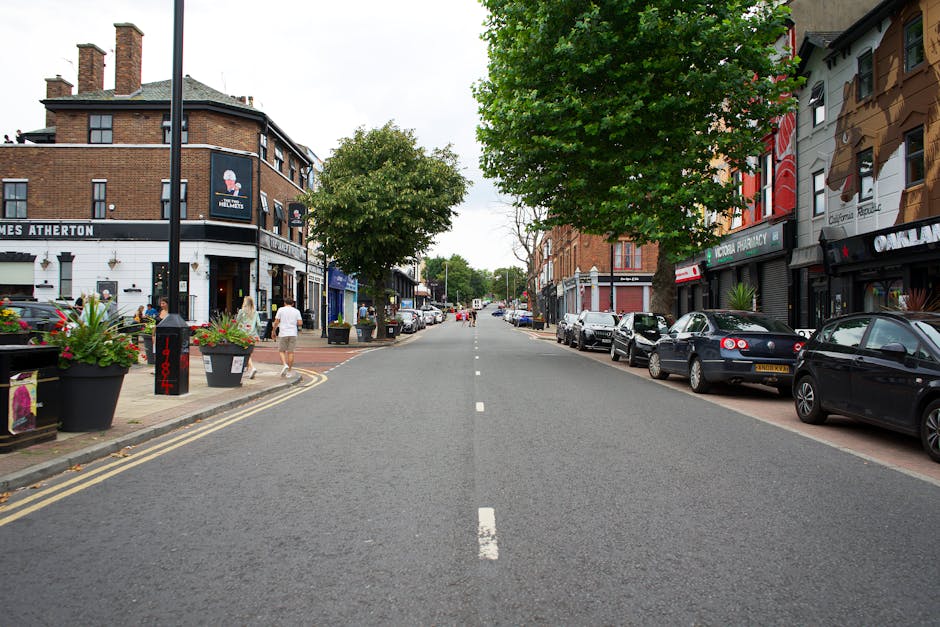
East Dulwich has a mix of Victorian terraces, converted flats, period streets, and roads that were never really designed with modern moving vans in mind. Add narrow kerbs, resident parking, and the occasional awkward bend, and you quickly see why access matters as much as the load itself.
A move in a tight street is not just about fitting a vehicle near the property. It is about reducing carrying distance, keeping routes safe, avoiding damage to doors or stairwells, and making sure the team can work efficiently without blocking neighbours or causing unnecessary disruption. That last bit matters more than people expect. A stressed move is often a rushed move, and a rushed move is where dings, scrapes, and arguments tend to appear.
In practical terms, East Dulwich tight-access jobs often involve one or more of the following:
- limited roadside loading space
- parked cars restricting van positioning
- narrow terraces or side passages
- shared entrances and upstairs flats
- busy local traffic at school drop-off or commute time
- short windows for loading and unloading
That is why a smaller, more adaptable moving setup often wins. If you are comparing options across the borough, it can help to look at the broader removal services in Dulwich available, because not every move needs the same vehicle size or crew structure.
Key takeaway: in tight access streets, the best move is usually the one that reduces carrying distance, protects access for neighbours, and keeps loading calm rather than hurried.
How East Dulwich man and van guide for tight access streets Works
A man and van service is usually the flexible end of the removals market. It is designed for smaller loads, shorter distances, awkward access, or moves where a big vehicle would simply be too much. In East Dulwich, that flexibility is often the whole point.
Here's the basic flow. You share what needs moving, where from, where to, and what the access looks like. A good provider then works out whether a van can stop close to the property, whether a smaller vehicle is wiser, how many people are needed, and how long loading is likely to take. If the street is tight, the estimate should reflect that. Not because the job is difficult in a dramatic sense, but because time and access are linked.
For example, a one-bedroom flat off a narrow residential road may only need a compact team and a well-planned schedule. A house move with several heavy items may need a larger van, more protection materials, and a bit more breathing room. If you are moving a sofa, wardrobe, and boxes down two flights of stairs, the route matters almost as much as the furniture itself.
In many cases, people choose a dedicated man and van in Dulwich because it gives just enough support without the overhead of a full house removal. That balance can be ideal when the street is cramped and the move volume is moderate.
The best providers will usually ask about:
- street width and parking conditions
- floor level and lift access
- large or fragile items
- distance from door to van
- loading restrictions or time limits
- whether disassembly is needed
That sounds obvious, but you would be surprised how often people leave out the awkward stuff and then wonder why the day feels chaotic. Truth be told, the awkward stuff is the move.
Key Benefits and Practical Advantages
The obvious benefit of a man and van service is flexibility. The less obvious benefit is control. In a tight East Dulwich street, control means being able to adapt quickly if a parking spot disappears, if a neighbour needs past, or if the lift in a block of flats decides to misbehave. It happens.
Here are the advantages that matter most in real life:
- Better access handling: smaller vehicles can often position more easily on narrow roads.
- Lower carrying stress: when the van is closer, the team spends less time walking heavy items.
- More flexible timing: easier to work around busy roads, traffic pinch points, and parking gaps.
- Useful for mixed loads: ideal for students, flat moves, single-item runs, and partial relocations.
- Cost efficiency: for smaller moves, you avoid paying for more capacity than you actually need.
There is also a practical reassurance factor. If you are moving from a flat or a compact property, a service tailored to that type of job can be less intrusive. If you need more detail on flat-specific logistics, the page on flat removals in Dulwich is a useful companion when comparing approaches.
And yes, sometimes a van that looks modest from the outside is exactly what you want. Bigger is not always better. Especially on a road where every inch counts.
Who This Is For and When It Makes Sense
This kind of move makes sense for anyone dealing with a property or street that is not generous with space. That includes renters, homeowners, landlords, students, office teams, and anyone moving just a few key pieces.
It is especially useful if you are:
- moving in or out of a flat on a narrow residential road
- relocating a small household or partial contents
- transporting furniture after a room refresh or refurb
- moving a student load between addresses
- working with a tight time slot or same-day turnaround
- moving one bulky item that is awkward to handle alone
It also suits people who do not need a full packing crew but still want real help. A box-laden hallway at 8:30 in the morning has a way of making the whole process feel heavier than it is. If you know, you know.
For example, a couple moving out of a one-bed flat near Lordship Lane may need a compact, efficient approach rather than a large removals operation. If that sounds familiar, the local guide on best removals for Lordship Lane homes in Dulwich gives extra context on how access and location shape the job.
On the other hand, if you are moving a whole house, office furniture, or a very large amount of stock, a broader plan may be more suitable than a basic van-only setup. There is no prize for making the wrong choice and discovering it halfway through the staircase.
Step-by-Step Guidance
Good preparation is what turns a tight-access move from awkward to manageable. Here is a practical way to approach it.
1. Measure the awkward bits first
Measure doorways, stair turns, hallway widths, and any tight corners before move day. Do not rely on memory. In a narrow property, five centimetres can matter more than you think. If you have a large sofa or bed frame, check both the item dimensions and the turning space needed to get it out.
2. Be honest about the street
Tell the mover if the road is narrow, if parking is usually full, or if the only stop point is a little further away. That one honest detail can change the van size, crew size, and timing. It also helps the team bring the right equipment from the start.
3. Separate fragile, heavy, and awkward items
Put fragile items together so they can be loaded with care. Mark anything heavy or oddly shaped. That simple sorting step saves a lot of second-guessing when the van doors are open and everyone is trying to work quickly but safely.
4. Clear the route inside the property
Move shoes, plants, spare boxes, coat stands, and anything else that narrows the route. A clean path means fewer snags on corners and fewer chances to bump walls. Honestly, people underestimate this part all the time.
5. Reserve the best loading position you can
Where possible, plan for the shortest practical carry. If parking is uncertain, consider how the move would work from the nearest legal stopping point. Tight access often means a compromise, not perfection. That is fine. The job can still go smoothly if the plan is realistic.
6. Use the right packing approach
Boxes should be sturdy, not overfilled, and easy to lift. Loose items in carrier bags are a nuisance in narrow stairwells. If you need good packing support, the page on packing and boxes in Dulwich is a helpful place to explore what makes a move easier from the start.
7. Leave some time buffer
Tight streets rarely reward a minute-by-minute plan. A small delay from traffic, parking, or a lift can ripple through the day. Build in a margin and you will feel much calmer when the unexpected happens. Which, let's be fair, it often does.
Expert Tips for Better Results
There are a few things seasoned movers tend to do that make a noticeable difference in tricky East Dulwich access conditions.
- Keep the largest item out first: move bulky furniture before the van gets crowded with boxes.
- Protect corners in advance: blankets, wraps, and edge protection are worth the few extra minutes.
- Group items by room: it cuts down loading confusion and makes unloading faster.
- Check road timing: early morning can be calmer than mid-day near busy local routes.
- Use the shortest lift-and-carry route: even if it means a slightly less convenient stop point.
- Ask about dismantling: beds and tables that can be broken down often move more safely in tight spaces.
One small but important point: do not overpack your boxes to the point where they become awkward to carry. A box that is too heavy is a bigger problem in a narrow staircase than it ever is in a spacious house. You feel it in your shoulders after the second trip.
If you are moving furniture rather than mixed boxes, a more tailored service can help. The page for furniture removals in Dulwich is useful where wardrobes, tables, and soft furnishings need careful handling.
For fragile or high-value pieces, think in layers: padding, route clearance, and loading order. One weak link can undo a lot of effort. That is why the better crews always look a bit slow at the start; they are saving time later.
Common Mistakes to Avoid
Most moving headaches in tight streets come from preventable mistakes. The frustrating part is that they are usually easy to avoid.
- Underestimating access: people often book as though the van can park right outside. Sometimes it can't.
- Not measuring bulky items: if a sofa or mattress will not turn the staircase, it needs a different plan.
- Leaving packing too late: last-minute boxes are almost always messy boxes.
- Assuming one person can "just lift it": that sentence causes more problems than it solves.
- Ignoring resident parking or loading pressure: what looks fine at 10:00 a.m. may be impossible by lunchtime.
- Choosing the wrong vehicle size: too large and you struggle with access; too small and you pay in extra trips.
There is also the mistake of not asking about insurance or safety practice. In a tight-access move, scrapes happen faster if protection is poor. For peace of mind, it is worth looking at the provider's insurance and safety approach before you commit.
And a small aside: if a mover seems uninterested in asking about your staircase, your street, or your parking situation, that is a clue. A pretty clear one.
Tools, Resources and Recommendations
You do not need a van full of specialist gear for every move, but the right basics make tight-access work far easier. Good removals teams usually rely on a mix of practical tools rather than fancy kit.
| Tool or item | Why it helps | Best use in tight access streets |
|---|---|---|
| Furniture blankets | Protects corners, finishes, and frames | Useful where walls and bannisters are close |
| Webbing straps | Keeps items secure during lifting and transit | Helpful for heavy items and short carries |
| Trolleys and sack trucks | Reduces strain on the team | Best where the path is level and reasonably smooth |
| Boxes of similar size | Stacks better and loads faster | Makes van space easier to use in a compact load |
| Protective wrap | Keeps drawers, doors, and surfaces secure | Very useful for furniture going through narrow gaps |
If your move is more than a simple single-trip job, it can help to review the broader removals in Dulwich offering so you can see where a more comprehensive solution may be a better fit. Likewise, if your access issue is partly about a short-term hold between addresses, storage in Dulwich may be worth considering.
For smaller or more occasional moves, a straightforward man with a van in Dulwich setup can be enough. It is not glamorous, but it gets the job done. And sometimes that is exactly what you need.
Law, Compliance, Standards, or Best Practice
For most domestic moves, the biggest compliance issues are practical rather than legal drama. That said, there are still sensible standards to follow. A professional mover should work safely, handle goods carefully, and avoid blocking roads or putting people at risk. If parking or stopping is restricted, the move should be planned around legal loading and access rather than casual guesswork.
Good practice in the UK moving trade usually includes:
- clear communication about vehicle access and loading points
- careful handling of items to reduce injury and damage
- appropriate insurance cover for transit and handling risks
- respect for neighbours, shared spaces, and building rules
- honest pricing terms and clear job scope
If you are comparing companies, it is sensible to review the provider's published policies and terms before booking. That is where documents such as terms and conditions, health and safety policy, and privacy policy can help you understand how they work. Not exciting reading, granted, but useful.
For businesses and larger households, best practice also includes deciding whether a basic van run is enough or whether a more structured move is needed. If you are moving desks, filing, or stock, look at the wider office removals in Dulwich or broader removal company in Dulwich SE21 options to compare service levels.
Options, Methods, or Comparison Table
There is no single best move format for every East Dulwich street. The right option depends on load size, access, and how much help you want on the day.
| Option | Best for | Strengths | Watch-outs |
|---|---|---|---|
| Man and van | Small to medium moves, flats, mixed loads | Flexible, good for tight access, cost-effective | May need extra trips if the load is underestimated |
| Dedicated removal van | Larger loads that still need a manageable vehicle | More capacity, still practical for narrow roads | Parking and loading still need planning |
| Full house removals | Whole-home relocations and larger family moves | More structured support, suited to big jobs | Can be overkill for compact moves or difficult access |
| Same-day removals | Urgent jobs with short notice | Fast response, helpful in time-sensitive situations | Less room for flexibility if access is unexpectedly bad |
There is a genuine decision point here. If the load is modest and the road is awkward, smaller is often smarter. If the load is bigger but access is still tricky, a more coordinated service may suit better. If you are unsure, compare the service scope on services overview and pick the structure that matches the reality of your move rather than the ideal version in your head.
Case Study or Real-World Example
Take a typical East Dulwich flat move on a side street with limited parking. The client has a bed frame, mattress, two small wardrobes, a sofa, and around 20 boxes. The street is tight enough that a larger vehicle would cause unnecessary stress, and there is no guarantee of a spot directly outside.
In a case like that, the sensible approach is usually:
- arrive with a compact, well-equipped van
- load the largest items first
- carry protective blankets for bannisters and furniture edges
- keep the route clear from the front door to the vehicle
- allow a little extra time for parking and repositioning
The move itself may not be complicated, but the access makes it feel more delicate. One trip becomes two if there is a parking issue. Two trips become slower if boxes are badly packed. And then everyone gets twitchy. Not ideal.
Now compare that with a larger family home move where the contents include dining furniture, appliances, and multiple rooms of boxes. In that scenario, a more comprehensive plan and perhaps a larger team make sense, even if the street is tight. The point is not to use the smallest van possible. The point is to use the right setup for the street and the load.
That is why many local customers also look at house removals in Dulwich when they need more than a basic point-to-point load. The scale of the job should lead the choice, not the other way round.
Practical Checklist
Use this quick checklist the day before your move. It will save you from the usual last-minute scramble.
- Confirm the exact pickup and delivery addresses.
- Check whether the street is narrow, one-way, or regularly congested.
- Measure the largest furniture pieces and stair turns.
- Pack boxes so they are not too heavy to lift safely.
- Set aside fragile items and label them clearly.
- Remove loose items from hallways and landings.
- Decide where the van is most likely to stop.
- Tell the mover about any lift, entry, or loading restrictions.
- Keep keys, paperwork, and essentials in one easy-to-reach bag.
- Plan for a small timing buffer, just in case.
Helpful tip: if you are moving on a wet morning, protect box bottoms and furniture feet. East Dulwich pavements can get slick fast, and no one wants damp cardboard or a wobbling load.
Get a free quote today and see how much you can save.
Conclusion
Tight access streets in East Dulwich do not need to turn move day into a headache. With the right planning, the right vehicle size, and a team that understands narrow roads, the whole thing becomes much more manageable. The big lesson is simple: tell the truth about access early, pack with the route in mind, and choose a service that fits the property rather than forcing the property to fit the service.
If you are moving a flat, a few key pieces, or a mixed load through a tricky street, a well-planned man and van arrangement can be exactly the right answer. Not flashy. Just effective. And on moving day, effective is beautiful.
If you want to explore the company behind these services, you can read more about the team and, when you are ready, use the contact page to start the conversation.
Little wins matter on move day. A clear path, a well-sized van, and a calm hand at the right moment. That is often all it takes.
Frequently Asked Questions
What makes East Dulwich streets difficult for a man and van move?
Many streets in East Dulwich are narrow, busy, or lined with parked cars, which can make van positioning and carrying distance more difficult. Period properties and flats can also add tight stairwells and awkward turning points.
How do I know if a man and van service is enough for my move?
If you are moving a small-to-medium load, a flat's contents, student items, or a few bulky pieces, a man and van service is often enough. If you have a whole house worth of furniture, you may need a larger removals setup.
Should I book a smaller van for tight access streets?
Often, yes. Smaller vans are usually easier to place on narrow roads and can reduce the carry distance. The best choice depends on the total load, but access should always be part of the decision.
What should I tell the mover before booking?
Share the street layout, parking conditions, floor level, lift access, bulky items, and whether there are any time restrictions. The more honest the description, the better the plan.
Can a man and van help with flats in East Dulwich?
Yes. Flat moves are a very common use case, especially where stairs are tight or parking is limited. If your move is flat-based, a service shaped around that kind of access is usually the most practical choice.
What if the van cannot park right outside?
That is common in London. A good mover will plan for a realistic stopping point and factor the extra carrying distance into the job. It is better to be upfront than to guess and hope for the best.
How can I protect furniture in narrow hallways?
Use blankets, wrap fragile edges, and clear the route before anything is moved. If possible, dismantle larger pieces first. Narrow spaces and sharp corners are where damage usually happens.
Are same-day moves possible in East Dulwich?
They can be, depending on availability and the size of the job. Tight access jobs are easier to manage when booked in advance, but same-day removals may still work for smaller, flexible loads.
What is the difference between a man and van and full removals?
A man and van service is usually better for smaller or more flexible jobs, while full removals are better for larger households or more complex relocations. The right choice depends on volume, access, and how much support you need.
Do I need packing help for a tight access move?
Not always, but good packing makes a huge difference. Sturdy, well-sized boxes are easier to carry through narrow entrances and stairwells. If your items are fragile or awkward, packing support can be worth it.
How early should I start preparing for a move in a tight street?
At least a few days ahead is sensible, especially if you need to measure furniture, sort parking, or dismantle items. Leaving it until the night before tends to create avoidable pressure.
What should I look for in a trustworthy moving provider?
Look for clear communication, sensible questions about access, transparent pricing, and visible safety and insurance information. A reliable provider will want the details before the van turns up, not after.