Commercial Moves in Dulwich
When a business in Dulwich needs to relocate, the move is rarely just about boxes and vans. It is about continuity, planning, access, staff time, equipment safety, and making sure your day-to-day operations are disrupted as little as possible. Commercial moves in Dulwich require a practical, local approach because every workplace is different: a small office above a parade on Lordship Lane, a busy studio near North Dulwich, a café close to Dulwich Village, a professional practice in East Dulwich, or a larger workspace serving clients across South London. The right moving service helps you keep control from start to finish, whether you are moving a few desks or a full commercial premises.
Businesses in this part of South London often deal with tight streets, controlled parking, shared access, and buildings that were not designed with modern logistics in mind. That is why choosing a local team for commercial removals in Dulwich can make a real difference. A mover familiar with the area can plan around school runs, resident parking zones, narrow access roads, loading restrictions, and the realities of moving items in and out of period buildings, mixed-use properties, and modern office units. The aim is not just to transport items, but to protect your time, your property, and your business momentum.
If you are planning a business relocation, office move, or premises change in Dulwich, the most helpful service is one that understands both the practical and commercial pressures involved. This page explains what is usually included, how the process works, what affects pricing, how to prepare, and why a local company is often the best fit. If you are ready to make enquiries, request a free quote or book your service now so your move can be planned around your business rather than the other way around.
Commercial Moving Services Designed for Dulwich Businesses

Every business has different moving requirements, and that is especially true in Dulwich where commercial properties range from compact offices and consulting rooms to creative studios, retail units, hospitality spaces, and shared workspaces. A proper commercial moving service should be flexible enough to handle both straightforward moves and more complex projects involving IT equipment, archive storage, specialist fixtures, or multiple delivery points. Commercial moves in Dulwich work best when the plan is built around the specific layout of your premises and the daily demands of your team.
For many local customers, the move begins with a site visit or a detailed discussion about the property, access, items to be moved, and the preferred timing. This helps identify any potential issues early, such as limited lift access, stair-only buildings, double parking restrictions, or the need to coordinate with building management. In practical terms, a good commercial removal service is about more than vehicle capacity. It is about scheduling, organisation, and making sure the move is carried out in an efficient and careful way.
Dulwich businesses often need a service that can adapt to residential-style streets and mixed-use high roads without causing unnecessary disruption. That includes handling early starts, after-hours moves, split deliveries, and phased relocation plans for businesses that cannot close completely. Whether you are moving a boutique practice, an agency, a clinic, or a local shop, the focus should be on a smooth transition that helps your business reopen and operate without avoidable delays.
Why Local Knowledge Matters for Commercial Moves in Dulwich

Dulwich has a character all of its own, and that matters when you are planning a business move. The area includes traditional high streets, conservation-style streets, terrace properties, village settings, and newer commercial spaces, each with different access needs. A local moving team is often better prepared for these conditions because it understands how traffic patterns, parking controls, and property layouts affect the practical side of a relocation. Local knowledge can save time, reduce stress, and help avoid costly delays.
Commercial removals in Dulwich can be affected by narrow roads, limited waiting space, and the challenge of loading larger vehicles close to the entrance. Businesses in and around Dulwich Village, East Dulwich, West Dulwich, and nearby parts of South London may also need to think carefully about the timing of the move to avoid disrupting customers, clients, or neighbouring businesses. A local team can suggest realistic schedules and loading strategies that work within the area’s day-to-day conditions.
There is also the matter of trust. When your commercial equipment, files, stock, or furniture is being moved, you want a company that communicates clearly and understands how important your timeline is. Local movers are often more responsive to on-the-ground changes, whether that means adjusting arrival times, navigating a temporary road restriction, or managing access through a shared entrance. That flexibility is especially useful for business owners who need a practical solution rather than a one-size-fits-all approach.
What Is Typically Included in a Commercial Removal Service?

A commercial moving service can be tailored to your business needs, but customers often want to know what is usually included. While each move is different, the service commonly covers planning, packing support, transport, loading, unloading, and careful handling of business furniture and equipment. For many customers arranging commercial moves in Dulwich, the value lies in having one coordinated team manage the logistics from start to finish.
Typical inclusions may involve dismantling and reassembling office furniture, moving filing cabinets, transporting chairs and desks, and protecting fragile items with suitable packing materials. Some businesses also need help with computers, screens, printers, point-of-sale equipment, display units, storage contents, or archive boxes. If your premises include specialist items, it is sensible to discuss them in advance so the moving team can bring the right equipment and plan the correct handling method.
Depending on the job, the service may also include floor protection, loading arrangements, and careful placement at the destination so you can get back to work more quickly. Some businesses prefer a full-service approach, while others only need transport and lifting support. The best option depends on how much internal resource you have, how much downtime you can accept, and how complex the move is. A good provider will help you identify the most practical level of support rather than pushing unnecessary extras.
Common Types of Businesses Moving in Dulwich
Dulwich supports a wide mix of commercial activity, from independent shops and professional offices to health, education, and creative businesses. That variety means commercial removals have to be adaptable. A solicitor’s office has different needs from a café, and a design studio has different priorities from a medical practice. Understanding the type of business you run helps shape the move in a way that protects your equipment and keeps disruption under control.
Local customers often need help moving between premises in the surrounding neighbourhoods as businesses grow, downsize, or change use. Some move from smaller units into more visible high-street locations, while others are relocating to quieter office spaces to improve efficiency. In many cases, a business move is part of a wider change: a rebrand, a restructure, a new lease, or a response to staffing and space needs. Whatever the reason, the moving plan should reflect how your business actually operates.
Here are some of the business types that frequently need commercial removals in and around Dulwich:
- Offices and professional practices, including consultants, accountants, architects, and legal teams
- Retail shops and boutiques moving stock, displays, and fixtures
- Hospitality premises, such as cafés, eateries, and takeaway operations
- Creative studios with specialist equipment, artwork, or production materials
- Health and wellbeing businesses including clinics, therapy rooms, and treatment spaces
- Shared workspaces and start-ups needing flexible move plans and phased relocation
Planning a Business Move Without Unnecessary Downtime
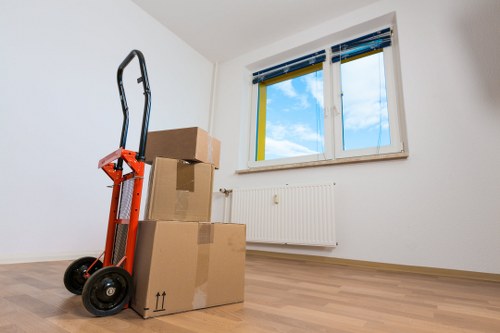
One of the biggest concerns for any business move is downtime. The longer your operation is paused, the more pressure you may feel from clients, staff, and deadlines. That is why planning matters so much. A carefully organised move can help reduce interruption by grouping tasks logically, creating a clear schedule, and ensuring the right people are available at each stage. Commercial moves in Dulwich are often more successful when the process is broken into manageable steps rather than treated as a single-day rush.
For some businesses, the best approach is to move in phases. This may involve relocating non-essential stock or archive items first, then moving desks and equipment after hours or over a weekend, and finally completing the main handover. This method can work especially well for customer-facing businesses that must remain open during part of the transition. For others, a same-day move may be more efficient if the premises are closing or the business can pause briefly.
Communication is essential throughout. Staff should know what to pack, what stays accessible, and who is responsible for label checks, keys, documents, or equipment shutdowns. If your business uses special systems or needs IT setup support, it is wise to coordinate those details in advance so the new premises are functional when you arrive. The more organised the preparation, the smoother the move is likely to be.
Access, Parking, and Building Considerations in Dulwich

Many commercial properties in Dulwich sit in locations where access needs careful thought. Period buildings, busy streets, shared entrances, and limited parking can all complicate loading and unloading. In some parts of the area, it may be difficult to position a vehicle directly outside the premises for long periods, especially during busy times of day. This is where a local mover’s experience is especially valuable, because they can plan the job around the realities of the street and the building rather than simply turning up and hoping for the best.
Access issues can include stairs, tight hallways, small lifts, restricted loading bays, or the need to move items through shared residential entrances. If your business is located near Dulwich Village, East Dulwich Road, Lordship Lane, or close to busy transport routes, timing can also matter. A good moving plan will account for the best arrival window, the size of the vehicle, and whether there is a need for additional carrying distance from the parking area to the entrance.
It is also worth thinking about the condition of floors, walls, and door frames, particularly in older buildings or recently refurbished spaces. Protective materials and careful handling help reduce the chance of scuffs or damage during the move. If your premises have delicate finishes, narrow stairways, or expensive flooring, make those concerns known early. The moving team can then prepare in a way that reduces risk and keeps the move efficient.
How the Commercial Moving Process Usually Works
Most customers want a clear process they can follow. A commercial relocation should not feel confusing or open-ended. Instead, it should move through a series of practical steps that allow you to make decisions with confidence. The exact process will vary depending on the scale of the move, but the core stages are usually similar.
Step 1: Initial discussion. This is where you explain what needs to move, where it is going, and when you would like the move to happen. It is the best time to mention anything unusual, such as sensitive equipment, multiple floors, or restricted access.
Step 2: Assessment and planning. A move plan is prepared based on the size of the premises, the items involved, and the timing you need. This may include identifying parking needs, packing requirements, and any staff tasks that need to be completed before moving day.
Step 3: Preparation. You and your team may be asked to label boxes, separate personal items, back up digital files, and disconnect equipment where appropriate. Clear labels and organised packing make a big difference on the day.
Step 4: Moving day. Items are loaded carefully, transported, and unloaded at the new premises. Furniture may be placed in designated rooms or zones to help your team settle in faster.
Step 5: Settle-in support. Some businesses need help with reassembly, positioning, or final placement so they can resume work quickly and safely.
Preparation Checklist for Business Customers
A little preparation can make a substantial difference to how smoothly your move runs. The more organised the business is before moving day, the easier it becomes for the moving team to work efficiently. This is particularly important for commercial moves in Dulwich, where access windows may be limited and timing often needs to be managed carefully.
Here is a practical checklist to help you get ready:
- Confirm the move date and any access rules for both properties
- Notify staff of packing responsibilities and key deadlines
- Label boxes clearly by department, room, or priority
- Back up important digital files before disconnecting equipment
- Separate confidential documents for secure handling
- Measure doorways, lifts, stairwells, and any awkward access points
- Arrange parking or loading permissions where needed
- Identify fragile or specialist items in advance
- Set aside essential items you will need immediately on arrival
- Plan refreshments, access keys, and a point of contact for the day
For businesses with staff on site, it helps to create a simple packing and departure timeline. That could mean assigning tasks by desk area, department, or work zone so no item is missed. If you are moving a client-facing business, make sure notices, opening hours, and temporary arrangements are prepared early enough to reduce confusion. Clear planning helps protect both your operations and your customer relationships.
Pricing Factors for Commercial Moves in Dulwich
It is natural to want to understand what affects the cost of a commercial move before you commit. Reputable moving companies usually base pricing on a combination of practical factors rather than a fixed one-size-fits-all figure. That means the price can vary depending on the size and complexity of the job. Asking for a tailored quote is the best way to get a realistic idea of the budget needed for your relocation.
Common pricing factors include the following:
- Volume of items being moved, including furniture, stock, and equipment
- Distance between the old and new premises
- Access conditions, such as stairs, lifts, parking, or carrying distance
- Timing requirements, including weekend or out-of-hours moves
- Packing needs, whether full packing support is required or not
- Special handling for fragile, heavy, or high-value items
- Disassembly and reassembly work for office furniture or fixtures
- Number of staff and vehicles needed to complete the move efficiently
For many local businesses, the most useful quote is one that is detailed and transparent enough to help compare options fairly. If your move is still at the planning stage, it is worth speaking to a mover early so they can flag any issues that might affect timing or cost. That early conversation can often save both money and stress by avoiding last-minute changes.
Why Choose a Local Company for Commercial Removals?
When businesses look for commercial removals in Dulwich, choosing a local provider often brings practical advantages. A local company is more likely to understand the area, respond quickly to questions, and plan with realistic knowledge of streets, property layouts, and parking limitations. That local awareness can be especially helpful when your move involves time-sensitive access or a building with awkward loading conditions.
Another advantage is convenience. Local teams are often easier to brief, easier to schedule, and better positioned to assist with site visits or pre-move discussions. If your business location is near West Dulwich, East Dulwich, Herne Hill, Forest Hill, Crystal Palace, or nearby South London districts, a team that regularly works in the area is likely to understand the movement patterns and logistical demands that affect a commercial relocation.
There is also a customer-service benefit. A local provider tends to focus on building practical, long-term relationships with nearby businesses rather than offering an impersonal service. That means clearer communication, better responsiveness, and advice that reflects the realities of your property and business type. For busy owners and office managers, that extra support can make the difference between a stressful move and a managed transition.
What Businesses Often Appreciate Most
Customers arranging business relocations often value reliability, clear planning, and the ability to adapt if conditions change. They also want movers who handle items respectfully and understand that delays can affect more than just the schedule. A dependable local service should help you feel in control of the process, even if your move involves complicated access or a tight deadline. That combination of practical skill and local understanding is what makes the service genuinely useful.
Areas Covered Around Dulwich
Commercial moves in Dulwich often involve businesses moving within the immediate area, but they may also include nearby South London locations. Local companies commonly support relocations to and from:
- Dulwich Village
- East Dulwich
- West Dulwich
- North Dulwich
- Herne Hill
- Forest Hill
- Crystal Palace
- Peckham
- Camberwell
- Sydenham
Businesses in these areas often face similar access and scheduling challenges, especially where residential streets meet commercial activity. A local mover used to working across this part of London can adapt to a broad range of property types and business needs. Whether your relocation stays within Dulwich or extends to a nearby district, the same principles apply: careful planning, efficient loading, and minimal disruption to your work.
Frequently Asked Questions
How far in advance should I arrange a commercial move?
It is best to arrange the move as early as possible, especially if you have a deadline linked to a lease, refurbishment, or business handover. Early planning gives you more choice over dates and makes it easier to deal with access, parking, and packing needs. If your move is urgent, it is still worth enquiring quickly so the team can assess what is feasible.
Can a business stay open during the move?
In many cases, yes. It depends on the type of business, the amount of equipment involved, and how the move is scheduled. Some companies prefer evening or weekend moves to reduce disruption, while others use a phased approach so part of the business stays operational. If remaining open matters to you, mention this as early as possible so the plan can be built around it.
What if we have fragile or specialist equipment?
Fragile and specialist items should always be discussed before the move. That includes IT equipment, screens, glass items, artwork, display pieces, and any items that need extra care or custom handling. The mover can then plan suitable protection and loading methods. If necessary, you can also set aside certain items for separate transport or special packing.
Do you handle office furniture dismantling and reassembly?
Many commercial moving services can help with dismantling and reassembly, especially for desks, shelving, and workstations. This can be particularly useful if your furniture needs to pass through narrow doorways or staircases. It is sensible to confirm this during the quote stage so the team can prepare the right tools and allocate enough time.
What should staff pack themselves?
Usually, staff are asked to pack personal items, desk contents, and any non-essential materials from their own workstations. Businesses often also handle confidential files internally before the movers arrive. Your moving provider can tell you which items should be packed in advance and which can be handled on moving day. Clear labelling and sensible packing make the process much easier.
Making the Move Easier for Staff and Customers
A commercial relocation affects more than the business owner. Staff may need time to clear desks, answer questions, and adjust to a new environment. Customers may also need reassurance if your contact details, opening hours, or premises access change. Good communication helps everyone understand what is happening and what to expect. When your team knows the plan, they can support the move instead of feeling disrupted by it.
For customer-facing businesses, it is especially important to think about signage, notices, and any temporary adjustments to service. If you are moving a retail or hospitality space in Dulwich, you may need to manage stock transfer, display changes, and re-opening arrangements with care. A well-timed move can help you maintain professionalism and reduce the chance of missed opportunities during the transition.
Contact us today if you are planning a business move and want practical support from a local team that understands commercial removals in Dulwich. Whether your move is straightforward or more involved, taking the time to plan properly now can save stress later. If you are comparing options, ask about availability, timing, packing support, and access planning so you can choose the service that suits your business best.
What Makes a Commercial Move Successful?
Success is not only about completing the move on the day. It is about arriving at the new premises ready to work. That means equipment is where it should be, important items are easy to find, and your team can resume business as quickly as possible. The best commercial moves in Dulwich are those that are planned around the way the business actually operates, not just around the volume of items being transported.
If you want the move to go well, keep the process simple and focused. Start with a clear list of items, identify any challenges early, and choose a mover who can explain the plan in plain terms. Avoid leaving key decisions to the last minute, especially where access, parking, packing, or IT setup is concerned. The more realistic the planning, the less pressure you will feel on moving day.
For local customers, the strongest sign of a useful moving service is one that helps you feel prepared. That includes answering questions clearly, giving honest advice about timing, and being realistic about what will make the move easier. If you are preparing a relocation in this part of South London, a well-managed local service can make the whole process far more manageable.
Ready to Plan Your Move?
Book your service now or request a free quote to start planning your relocation with confidence. Whether you need a full commercial move, help with office removals, or support with a business relocation in Dulwich, the right local team can help you move efficiently, carefully, and with less disruption to your day-to-day work.
Choose a service built around your business, your timetable, and your premises. That is the most practical way to approach commercial moves in Dulwich, and it is often the difference between a stressful move and a well-organised one.