Gallery Road removals and packing tips near Dulwich Gallery
If you are planning Gallery Road removals and packing tips near Dulwich Gallery, chances are you are juggling more than boxes. There is the awkward timing of a London move, the reality of narrow streets, the need to protect fragile artwork or furniture, and the simple fact that packing always takes longer than it looks at first glance. To be fair, that is usually where the stress starts.
This guide brings together the practical side of moving near Dulwich Gallery with sensible packing advice that actually helps on moving day. You will find a clear step-by-step approach, local moving considerations, common mistakes to avoid, and a simple checklist you can work through without feeling buried under it all. If you need help beyond the packing tape, you can also explore removals, packing and boxes, or house removals for a fuller moving plan.
Table of Contents
- Why Gallery Road removals and packing tips near Dulwich Gallery Matters
- How Gallery Road removals and packing tips near Dulwich Gallery Works
- Key Benefits and Practical Advantages
- Who This Is For and When It Makes Sense
- Step-by-Step Guidance
- Expert Tips for Better Results
- Common Mistakes to Avoid
- Tools, Resources and Recommendations
- Law, Compliance, Standards, or Best Practice
- Options, Methods, or Comparison Table
- Case Study or Real-World Example
- Practical Checklist
- Conclusion
- Frequently Asked Questions
Why Gallery Road removals and packing tips near Dulwich Gallery Matters
Moves around Gallery Road and the Dulwich Gallery area are rarely simple "load and go" jobs. The location is close to residential roads, local amenities, and busy foot traffic at certain times of day, which means timing and access can matter just as much as the van size. A good move here is not just about lifting furniture. It is about planning the whole chain: packing, carrying, parking, loading, protection, and delivery.
That matters because poor packing or rushed access planning can turn a straightforward move into a day of avoidable delays. A box that is too heavy, a sofa that was never measured properly, or a fragile item wrapped in thin paper can create unnecessary damage. And once one thing goes wrong, the domino effect is real. Suddenly the kettle is missing, the bedding is in the wrong room, and you are eating toast from a saucepan. Not ideal.
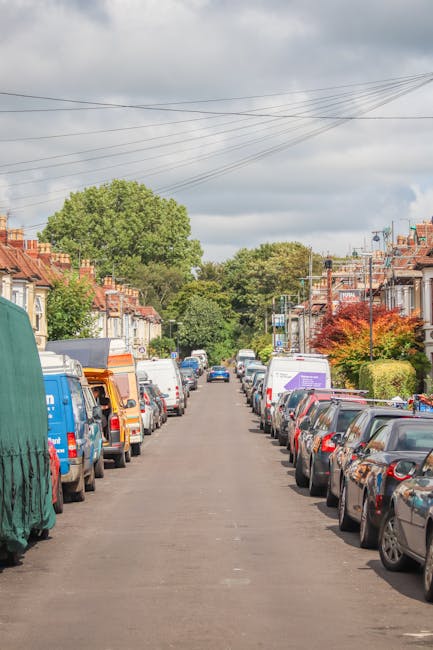
For people moving near Dulwich Gallery, the local context also brings a slightly different mindset. You are often dealing with period properties, stairwells, on-street parking, and neighbours who will notice if things get noisy at 7am. That is why practical packing tips are not a nice extra; they are part of the move itself.
Expert summary: The best Gallery Road move is usually the one that feels boringly organised. Careful packing, accurate labelling, and a realistic loading plan save more time than last-minute heroics ever do.
How Gallery Road removals and packing tips near Dulwich Gallery Works
At a basic level, the process is simple: assess the property, pack the contents, protect the fragile items, load the vehicle efficiently, and deliver everything safely. In practice, each stage has a few decisions that affect the outcome.
1. Start with access, not boxes
Before you seal a single box, look at access. Is there a lift? How wide is the hallway? Is parking likely to be available near the property, or will you need a smaller vehicle or a flexible arrival window? If the building is a flat, a quick look at flat removals guidance can help you think through the extra layers that come with stairs and shared entrances.
2. Sort, reduce, and separate
Moves go smoother when you reduce the load before packing. That means separating what is going, what is being donated or recycled, and what needs to be stored. If you are not ready to move everything at once, short-term storage can be a surprisingly calm solution. It sounds dull. It is useful.
3. Pack by room and by weight
The smartest packing system is usually the one that keeps similar items together. Books with books. Kitchen items with kitchen items. Files with files. Heavy items should go in smaller boxes, while lighter bulky items can go in larger ones. That way the boxes stay manageable and the team loading them is not forced to guess what is hiding inside.
4. Load in the right sequence
At moving time, the load order matters. Large furniture should generally go in first, with fragile and frequently needed items kept separate and easy to access. If you are using a man and van style service for a smaller move, sequence becomes even more important because space is tighter and every centimetre counts.
5. Unpack with a plan, not random optimism
Once you arrive, do not rush to open every box at once. Place labelled boxes into the correct rooms first, then start with the items you will actually need in the first 24 hours. Bedding, toiletries, chargers, kettle, mugs. The basics. It is never glamorous, but it makes the first night feel settled.
Key Benefits and Practical Advantages
Good removals planning around Gallery Road is not only about preventing damage. It also improves the whole experience in ways people often underestimate.
- Less physical strain: Correct box sizing and weight distribution reduce the chance of injuries and awkward lifting.
- Fewer delays: Clear labelling and organised access cut down on hunting, reshuffling, and repeated trips.
- Better protection for valuables: Fragile items, frames, mirrors, and electronics are far safer when packed with the right materials.
- Lower stress for families: A predictable plan helps children, partners, or flatmates know what is happening next.
- More efficient vehicle use: A well-packed load uses space more effectively, which can reduce the number of journeys needed.
- Cleaner settling-in process: When the boxes are labelled properly, the new home becomes usable much faster.
There is also a quieter benefit: confidence. When you know the packing is under control, the move stops feeling like a guess. You sleep better the night before. You make fewer panicked phone calls. That counts for a lot.
Who This Is For and When It Makes Sense
This kind of move advice is useful for a wide mix of people. Some are moving one-bedroom flats close to Dulwich Gallery. Others are handling a whole family house, or a small office with files, monitors, and awkward desk furniture. The core principles stay the same, but the scale changes.
Homeowners and tenants
If you are moving from a house or flat, this is for you. You will probably want a fuller move plan, especially if furniture needs dismantling or the property has awkward access. In those cases, home moves and house removals are the most relevant services to compare.
Students and sharers
Students often underestimate how much time packing takes because the belongings look manageable right up until the last day. If that sounds familiar, student removals can be a good fit when the move is compact but time-sensitive. Shared homes bring another issue too: whose charger is whose? Honestly, that can become a whole moving-day subplot.
Businesses and studios
Small businesses, creative studios, and local offices need a different balance of speed and care. Files, equipment, screens, and product stock all need their own handling. For that, commercial moves and office removals are the most suitable reference points.
People with heavy or specialist items
If you have a piano, large mirrors, or valuable furniture, standard packing advice only gets you part of the way. Specialist handling may be the safer route, especially for awkward staircases or tight door frames. In that case, it is worth looking at piano removals or furniture removals rather than treating everything as ordinary household lifting.
Step-by-Step Guidance
Here is a practical moving sequence that works well for Gallery Road jobs and similar local moves. It is not fancy, but it is dependable.
- Walk the route. Check the front path, stairs, front door width, parking situation, and any tight turns inside the property.
- Declutter first. Get rid of anything you no longer want to carry. It saves boxes, time, and backache.
- Gather materials. Use sturdy boxes, tape, paper, bubble wrap, labels, and markers before you start.
- Pack the least-used rooms first. Loft, spare room, archive shelves, decorative items. Leave daily essentials until last.
- Wrap fragile pieces individually. Plates, glassware, frames, and ornaments all need separate protection.
- Use smaller boxes for heavy items. Books, tools, and crockery should not go into oversized boxes where they become unmanageable.
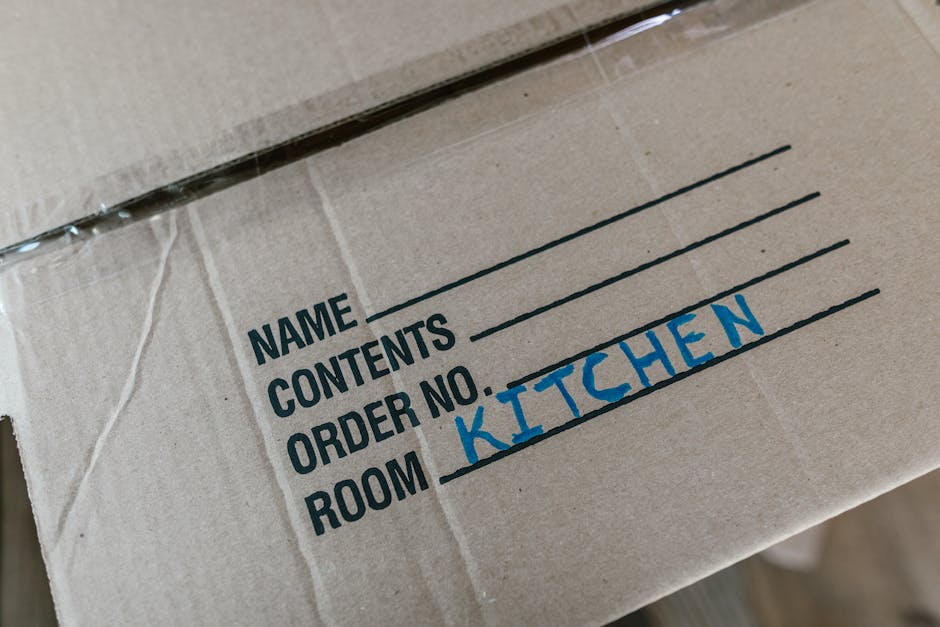
- Label clearly on more than one side. Room name, contents, and whether the box is fragile. One label on top is often not enough.
- Set aside a first-night bag. Keep chargers, medicines, documents, toilet paper, snacks, and a change of clothes easy to reach.
- Protect furniture corners and surfaces. Blankets and wraps help stop scuffs during stair carries and van loading.
- Confirm the final load order. Heavy furniture first, essentials last, fragile items secured in a safe area.
If your move is a smaller one, a man with van arrangement can sometimes be the most practical option. For larger or longer-distance moves, removal truck hire or a full removal services package may be more suitable.
Expert Tips for Better Results
These are the small details that separate a decent move from a frustrating one.
Use the "one room, one colour" method
Different coloured tape or stickers for each room makes unloading much easier. You do not need a fancy system. Even simple colour-coding helps people place boxes correctly without stopping to ask you twenty questions while standing in the doorway.
Pack a little air, but not too much
Boxes should be filled enough that contents do not shift, but not so tightly packed that they burst. A bit of cushioning is useful. A box packed like a brick is not.
Photograph cable setups before disconnecting
This is a small thing, but it saves time. Take quick photos of TV setups, routers, computer connections, or anything with more than two wires. Future you will be grateful, probably before breakfast.
Keep documents and valuables with you
Passports, tenancy papers, jewellery, and sentimental items should not vanish into a random box. Keep them in a separate bag or container that stays with you during the move.
Plan for weather
London weather can be a bit unpredictable. If rain is likely, use floor coverings and waterproof wraps. If it is hot, remember that packed rooms get stuffy quickly, and people tire faster than expected.
Do not overpack sentimental items
People often rush the boxes that contain the items they care about most. That is backwards. If something is irreplaceable, it deserves the best wrapping and the clearest label.
Common Mistakes to Avoid
Most moving mistakes are very ordinary. That is the annoying part. They are easy to avoid, yet still happen all the time.
- Using huge boxes for heavy things: It makes lifting unsafe and the bottom can give way.
- Leaving packing until the final evening: That is how things get broken, misplaced, or simply shoved into the nearest bag.
- Poor labelling: "Stuff" and "misc" are not helpful. Try room names and contents instead.
- Forgetting access constraints: A van cannot magically fit where parking is tight. Best not to assume.
- Not protecting corners and handles: Furniture damage often happens at the edges, not the middle.
- Mixing essentials with storage boxes: You do not want to search for a phone charger under five boxes of winter clothes.
- Ignoring building rules or neighbour impact: Noise, parking, and shared access can become a problem if you do not plan around them.
One small but common issue: people pack by where things were stored, not by how they will be used after the move. That sounds harmless until every kitchen item ends up in three different boxes. Then the first night becomes a scavenger hunt.
Tools, Resources and Recommendations
You do not need specialist equipment for every move, but a few well-chosen items make a big difference.
- Strong double-walled boxes: Especially useful for books, crockery, and mixed household items.
- Packing paper and wrap: Better than newspaper for clean finishes on delicate items.
- Heavy-duty tape: Cheap tape tends to fail at the worst moment.
- Permanent markers: Use them for room labels, contents, and any handling notes.
- Furniture blankets: Helpful for tables, wardrobes, and polished surfaces.
- Bubble wrap or soft padding: Useful for mirrors, electronics, and awkward decorative pieces.
- Zip bags for hardware: Screws, brackets, and shelf pins should be bagged and taped to the right item.
For people who want a more hands-off experience, packing and unpacking services can remove a lot of the friction. Some moves benefit from support all the way through. Others just need help at the loading stage. There is no single correct answer, which is refreshing, really.
If you are comparing providers, it can also help to review pricing and quotes carefully so you understand what is included, and whether packing materials, access issues, or waiting time may affect the final arrangement.
Law, Compliance, Standards, or Best Practice
Removal work in the UK should be handled with sensible attention to safety, insurance, and fair service practices. You do not need to become a compliance expert, but you should know what good practice looks like.
At a minimum, a reputable mover should be clear about handling procedures, vehicle safety, and how items are protected during loading and transport. If any item is delicate or unusually valuable, it is sensible to ask how it will be managed before moving day. The same goes for stair carries, heavy lifting, and awkward access. A few honest questions up front save a lot of "we should have checked that earlier" later on.
It is also wise to understand insurance and safety arrangements before booking. If you want to know how that is approached, the company's insurance and safety information is the right place to look. For broader operational standards, health and safety policy guidance helps show the expected approach to safe lifting and responsible work practices.
For customers, best practice is simple:
- disclose access issues honestly
- identify fragile or high-value items early
- agree what is being packed, moved, or stored
- check payment and booking terms before confirming
- keep a record of what matters most to you
You can also review broader company information such as terms and conditions and payment and security so expectations are clear before the move gets underway.
Options, Methods, or Comparison Table
Choosing the right approach depends on the size of the move, the access at each property, and how much packing support you want. Here is a simple comparison to make that easier.
| Option | Best for | Strengths | Trade-offs |
|---|---|---|---|
| Self-pack and hire help for transport | Smaller, organised moves | Lower cost, flexible timing | More work for you, higher packing burden |
| Full packing and removals service | Busy households, larger homes, fragile contents | Less stress, faster process, better consistency | Usually more expensive than doing it yourself |
| Man and van | Compact local moves or single-load jobs | Agile, practical, good for tight streets | Less capacity for large or complex loads |
| Truck-based move | Whole-house or bigger commercial jobs | Efficient for volume, better for full loads | May require more access planning |
| Storage plus staged move | Renovations, overlap between dates, downsizing | Flexible, reduces pressure on move day | Requires extra planning and possibly extra cost |
If you are unsure which route fits your situation, comparing man with a van, moving truck, and full removal companies can give you a more realistic view of the options. Different jobs, different tools. Simple as that.
Case Study or Real-World Example
Here is a typical local move scenario. A couple in a first-floor flat near Dulwich Gallery needed to move into a nearby house with a tighter entrance hall than they expected. They had books, framed prints, kitchenware, a slim sofa, a dining table, and far too many miscellaneous cables. You know the sort of move where "miscellaneous" becomes an item category on its own.
They started three days early with packing. Books went into small boxes. Frames were wrapped individually and placed in one clearly marked group. Kitchen items were packed by use, not by cupboard. One box was set aside for first-night essentials. They also measured the sofa before moving day, which turned out to be a good idea because the hallway bend was snug.
On the day, the loading order was planned in advance. Large furniture first, delicate items secured separately, and essentials last. The move took less time than they had feared, mainly because they had done the boring stuff early. No drama, no broken mugs, no frantic search for bedding at 10pm. A quietly successful move. Which, in removals, is pretty much the dream.
For households with similar needs, house removalists or man with a van support can be the difference between a chaotic day and a manageable one.
Practical Checklist
Use this checklist in the final week before your move.
- Confirm moving date, arrival window, and access details
- Measure large furniture and key doorways
- Sort items into keep, donate, recycle, store, and move
- Gather boxes, tape, wrap, labels, and markers
- Pack non-essential rooms first
- Label every box with room and contents
- Prepare a first-night essentials bag
- Back up files and photograph cable setups
- Separate valuables and important documents
- Protect furniture with blankets or wraps
- Leave clear walkways on moving day
- Check whether you need same day removals support if your timing is tight
- Review any storage needs in advance
- Keep drinks, snacks, and phone chargers easy to reach
- Take one last walk through each room before leaving
Small note, but an important one: if you are moving from a shopfront, studio, or local business property, use a business-specific plan rather than trying to adapt a home move at the last minute. office relocation services can be much more suitable for that kind of job.
Get a free quote today and see how much you can save.
Conclusion
Gallery Road removals and packing tips near Dulwich Gallery are really about reducing friction. If you plan the access, pack by priority, protect fragile items, and choose the right level of support, the move becomes much more manageable. You do not need to overcomplicate it. You just need a steady system and a bit of discipline early on.
The local setting around Dulwich Gallery rewards that kind of preparation. Streets are easier to work with when you know what to expect. Boxes move faster when they are labelled properly. And the first evening in the new place feels far better when the essentials are easy to find. Little things, but they matter.
If your move involves specialist items, a tight timeframe, or you simply want a smoother experience end to end, the right support can make all the difference. And honestly, a calm move is a beautiful thing.
Frequently Asked Questions
What is the best way to prepare for Gallery Road removals near Dulwich Gallery?
Start with access, declutter early, and pack by room. Measure large furniture, label boxes clearly, and set aside essentials for the first night. That combination solves most of the common headaches before they start.
How early should I start packing before moving day?
Ideally, begin with non-essential items about two to three weeks before the move, then leave daily-use items for the final few days. If you are short on time, focus first on seasonal items, books, decorations, and storage boxes.
What should I avoid putting in large boxes?
Heavy items like books, crockery, tools, and files should not go into oversized boxes. They become awkward to lift and more likely to split. Smaller boxes are safer and easier to carry.
Are packing services worth it for a local move near Dulwich Gallery?
Yes, if you are busy, have fragile belongings, or just want the move to feel less overwhelming. Packing and unpacking services can save a lot of time and reduce mistakes, especially in larger homes or flats.
How do I protect artwork and mirrors during a move?
Wrap them individually, use sturdy protective materials, and keep them upright where possible. Make sure they are clearly labelled as fragile and not packed underneath heavy items.
What is the difference between a man and van and a full removal service?
A man and van is usually best for smaller, simpler moves with fewer items. A full removal service is better when you have a larger volume, more furniture, or more complex access and packing needs.
Can I use storage if my move dates do not line up?
Yes, storage is often a sensible bridge when completion dates, tenancies, or renovation work do not line up neatly. It reduces pressure and lets you move in stages rather than all at once.
How do I make moving day less stressful for my family?
Keep essentials separate, explain the plan early, and make sure everyone knows which boxes are most important. A simple schedule and a few comforts, like snacks and chargers, can make the day feel much calmer.
Do I need to tell the removals team about access issues?
Absolutely. Tight staircases, parking restrictions, long carries, and shared entrances all affect the move. The more accurate the access details, the smoother the day will be.
What kind of move is best for a flat near Dulwich Gallery?
That depends on the volume of belongings and the building access. For smaller flats, flat removals or a man and van arrangement may be enough. For larger flats or more furniture, a fuller service may be better.
How can I keep important documents safe during the move?
Keep them with you in a separate bag or folder rather than placing them in the van. Passports, contracts, ID, and tenancy paperwork are best handled personally so they are always accessible.
What should I check before confirming a removals quote?
Check what is included, whether packing materials are covered, how access or waiting time is handled, and whether any specialist items need extra care. It is also sensible to review pricing and quotes alongside the service details, so you know what you are comparing.